+86 18366183241
High-performance compressor machinery designed to sustain stable pressure and air quality across complex commercial networks.
How modern commercial HVAC systems rely on advanced compressor spare parts to achieve green building compliance and operational excellence.
In the modern commercial real estate and industrial manufacturing landscapes, Building Management Systems (BMS) and Heating, Ventilation, and Air Conditioning (HVAC) systems represent the core infrastructure required to sustain occupant health, process integrity, and structural longevity. Historically, building ventilation relied on basic manual thermodynamic controls. Today, the rise of smart buildings, driven by Internet of Things (IoT) architectures and strict environmental mandates, has transformed HVAC systems into highly sophisticated, automated networks. Compressed air remains the primary utility powering pneumatic actuators, control dampers, thermal regulators, and high-capacity safety valves in these systems.
With global energy costs rising and governments enforcing strict carbon reduction targets (such as LEED, BREEAM, and Energy Star ratings), the efficiency of commercial HVAC installations is under intense scrutiny. In a typical commercial facility, the HVAC network accounts for up to 40% of total electrical consumption. A significant portion of this energy is utilized by the air compressor systems that maintain pneumatic line pressure. If a compressor operates with worn or sub-standard components—such as clogged air intake filters, degraded oil separators, or leaking thermodynamic valves—its volumetric efficiency drops, leading to excessive energy draw and accelerated mechanical wear.
The Operational Reality: In critical facilities like hospitals, data centers, and cleanrooms, even a minor drop in pneumatic system pressure due to a failed compressor component can disrupt airflow balances, compromise sterile zones, or lead to system-wide emergency shutdowns. Consequently, the procurement of high-quality, reliable air compressor spare parts is no longer a simple maintenance routine; it is a critical strategy for risk mitigation and energy conservation.
The global industrial trend is shifting rapidly from reactive maintenance (fixing parts after they fail) to predictive maintenance. Modern HVAC air compressors are increasingly fitted with sensors that monitor temperature, pressure, vibration, and oil quality. By analyzing this data, building engineers can predict exactly when a spare part, such as a minimum pressure valve, a thermostatic expansion element, or a micro-filter, needs replacement. This technological integration prevents catastrophic mechanical failures, optimizes system uptime, and ensures that the air compressor continues to run at its peak thermodynamic efficiency.
Exploring the critical touchpoints where compressed air and precision spare parts maintain building operations.
Pneumatic actuators remain the industry standard for operating heavy air dampers, fire barriers, and large water control valves in high-rise buildings due to their high torque-to-size ratio and fail-safe reliability. To prevent these actuators from sticking or corroding, the compressed air must be completely dry and oil-free. Saturated air lines can lead to valve lag, disrupting localized temperature zones. High-efficiency oil separators, line filters, and desiccant dryer cartridges are critical spare parts required to protect these automation networks.
In pharmaceutical manufacturing facilities, research laboratories, and semiconductor cleanrooms, HVAC systems must maintain precise differential pressure zones to prevent cross-contamination. Compressors provide the stable pressure required to regulate HEPA filtration units and specialized air showers. Using premium spare parts, such as high-temperature gaskets, synthetic lubricants, and precision pressure switches, ensures the compressor runs continuously without pressure fluctuations that could compromise sterile environments.
Large-scale district energy systems distribute steam or chilled water across multiple buildings in a campus or city block. The massive control valves that regulate steam flow and water mixing are driven by heavy-duty pneumatic actuators. Because these installations experience high thermal cycles and continuous operation, the air compressors are subjected to intense mechanical stress. Regular replacement of piston rings, valve plates, and thermostatic elements is essential to prevent pressure loss and maintain district-wide temperature control.
Modern green buildings utilize ERV systems to capture energy from exhaust air and pre-condition incoming fresh air. Compressed air is used to actuate bypass dampers and perform automated self-cleaning cycles on the desiccant energy recovery wheels. Keeping the compressor's intake filters, solenoid valves, and pressure switches in optimal condition ensures the ERV system operates at maximum thermal recovery efficiency, directly reducing the load on the primary chillers and boilers.

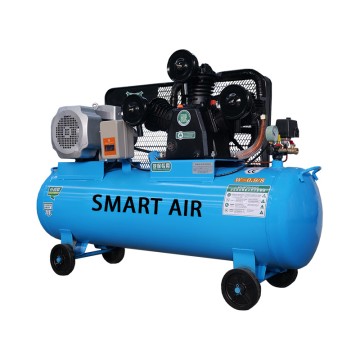
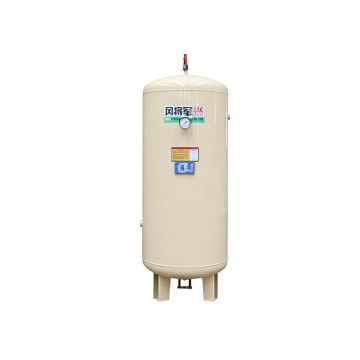
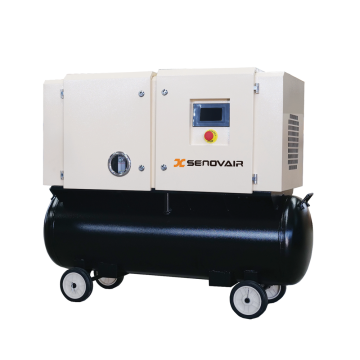
Smart Air Machinery (Linyi) Co., Ltd., established in 2005, is a diversified manufacturing enterprise integrating product research and development, production, and sales. The company employs over two hundred people and primarily manufactures screw air compressors, piston air compressors, air storage tanks, and related machinery. Over more than two decades of dedicated development, we have established ourselves as a trusted partner for commercial building developers, HVAC contractors, and industrial operators worldwide.
Established Year
Skilled Employees
Delivering engineering excellence, strategic brand positioning, and reliable quality for critical building utility systems.
Located in Linyi, the logistics capital of China, our company has accumulated rich production experience, strong technical capabilities, a top-notch R&D team, and complete testing equipment through over 20 years of diligent research and continuous innovation.
Our products, known for their aesthetically pleasing design, meticulous material selection, exquisite craftsmanship, and superior quality, are sold worldwide and have received widespread acclaim from customers.
Smart Air is committed to building a leading brand in China's air compressor industry. We firmly implement our own brand strategy, adhere to the principle of honest business practices, prioritize customer service, continuously strengthen our production capabilities, and constantly enhance our brand influence.
We firmly believe that "quality creates reputation," "reputation creates brand," and "brand creates market." Currently, we have become a well-known and advanced enterprise in the industry.
Since its establishment, the company has successively received numerous honors, including "China Famous Brand," "China's Preferred Brand for Green and Environmentally Friendly Products," "Top Ten Foreign Trade Enterprises in the Mall," "High-Tech Enterprise," "3A Credit Enterprise," and "Civilized and Trustworthy Unit."
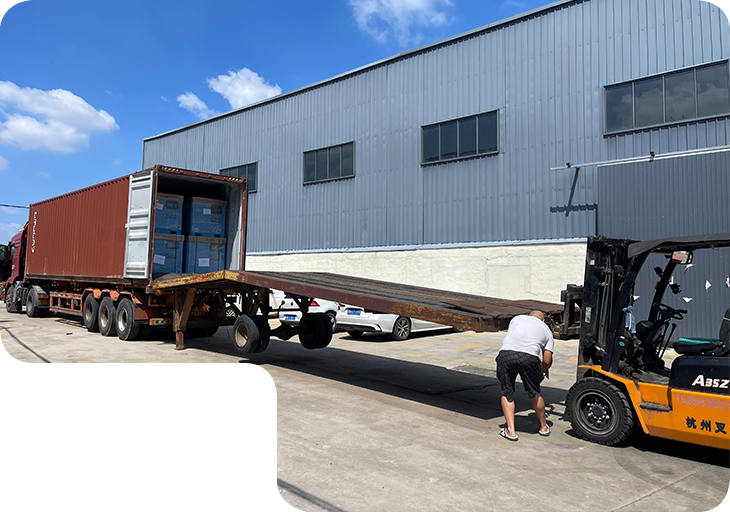
With a proven track record of successful collaborations in over 20 countries, including the USA, Canada, Colombia, Chile, Australia, New Zealand, Russia, Indonesia, Vietnam, Malaysia, India, Sri Lanka, Bangladesh, Pakistan, Dubai, Afghanistan, Israel, Syria, Kosovo, Tunisia, and Angola, we are committed to meeting the diverse needs of our clients. At Smart Air, we pride ourselves on delivering tailored solutions that adhere to the highest standards of quality and performance. Our customers consistently express their satisfaction with our products, praising their reliability and efficiency. Join the growing list of satisfied clients who trust Smart Air for their air compression needs. Experience excellence with us today!
We will always uphold our commitment to warm hospitality and attentive service, and we welcome domestic and international business partners to discuss cooperation.
Understanding which components are vital to maintaining continuous HVAC system pressure and reducing energy overheads.
To avoid unexpected system shutdowns and minimize operational costs in commercial buildings, a comprehensive, schedule-driven preventative maintenance program is essential. The components of an air compressor operating in an HVAC system are subject to constant thermal stress and ambient contaminants. Replacing key spare parts before they reach their failure threshold ensures the system continues to operate safely and efficiently.
The air intake filter is the compressor’s first line of defense. In commercial environments, the air drawn into the compressor contains particulate matter, dust, and pollen. If the intake filter becomes clogged, the compressor must work harder to draw air, which increases energy consumption and places additional stress on the motor. Replacing the air filter element every 2,000 hours of operation protects the internal screw rotors or piston cylinders from abrasive wear, extending the lifespan of the entire system.
In oil-lubricated compressors, the oil-gas separator is responsible for removing oil aerosols from the compressed air stream before it enters the building's pneumatic lines. A degraded or saturated separator allows oil carryover, which can coat the internal mechanisms of downstream pneumatic actuators and control valves, leading to sluggish operation or complete component failure. Replacing the separator cartridge every 4,000 hours ensures the delivery of clean, dry air and prevents contamination of the building's ductwork.
Thermostatic valves regulate the flow of oil through the compressor's cooling circuit. If the valve fails to open, the compressor will quickly overheat and shut down, interrupting the building's HVAC operations. Conversely, if the valve remains stuck in the open position, the oil may not reach its optimal operating temperature, leading to condensation build-up in the oil circuit, which degrades lubrication quality. Regular testing and timely replacement of the thermostatic element are vital to maintaining thermal stability.
The minimum pressure valve (MPV) maintains a baseline pressure within the compressor's oil separator tank to ensure proper lubrication during startup and low-load conditions. It also acts as a non-return valve, preventing backflow of air from the storage tank when the compressor is unloaded. A malfunctioning MPV can cause oil starvation or pressure fluctuations in the building's pneumatic lines. Inspecting and replacing the spring and seals of the MPV during major service intervals prevents pressure drop issues.
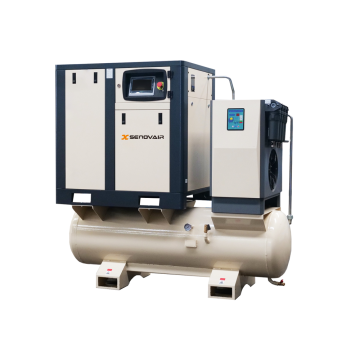
Explore our full range of screw compressors, piston compressors, and air storage tanks designed for commercial and industrial applications.