+86 18366183241


Automobile-grade and industrial air compressors have become indispensable components in commercial HVAC (Heating, Ventilation, and Air Conditioning) systems and large building infrastructure worldwide. As cities grow denser and buildings grow taller and smarter, the demand for reliable, high-efficiency compressed air systems has accelerated at an unprecedented pace. These machines are no longer confined to automotive workshops — today, they form the operational core of climate control systems, pneumatic building controls, clean room pressurization, fire suppression systems, and energy management platforms.
⚡
Energy Efficiency Is Now a Mandate, Not an Option
According to industry data, compressed air systems account for 20–30% of total electricity consumption in many commercial facilities. In an era of rising energy costs and ESG compliance requirements, selecting the right air compressor technology — particularly variable-speed and integrated multi-function units — can reduce energy expenditure by up to 35%, while substantially lowering a building's carbon footprint.
The Commercial HVAC Market: Scale and Opportunity
The global commercial HVAC market was valued at over USD 82 billion in 2024 and is projected to exceed USD 130 billion by 2032. Air compressors serve as an essential auxiliary component in chiller systems, pneumatic damper actuators, compressed air-driven valves, and building management system (BMS) interfaces. The shift toward smarter, greener, and more resilient building infrastructure is driving a complete rethinking of how compressed air is generated, distributed, and monitored across commercial properties.
From Automobiles to Buildings: Technology Transfer in Action
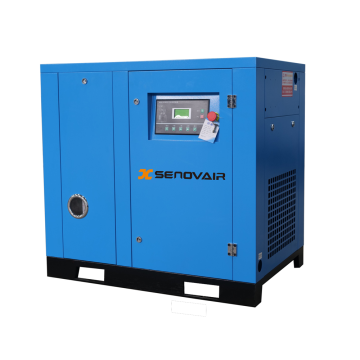
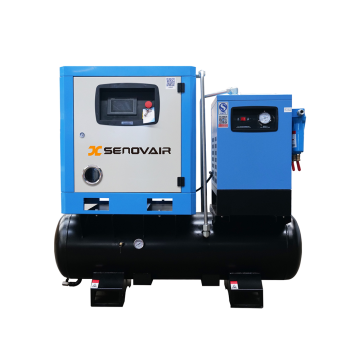
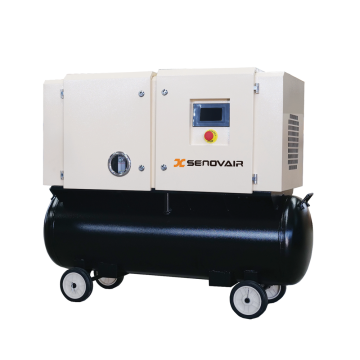
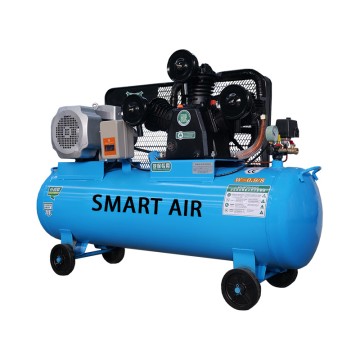
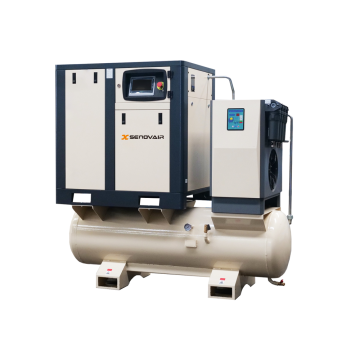
Many of the performance breakthroughs in automotive air compression — including oil-lubricated screw technology, compact integration, mobile chassis design, and multi-stage filtration — have been successfully adapted for HVAC and building applications. The result is a new generation of compressors that deliver automotive-level reliability, precision, and efficiency in stationary building environments. Smart Air's product lineup exemplifies this technology transfer, offering 4-in-1 integrated designs, variable flow capacities, and robust oil management systems that reduce maintenance cycles dramatically.