+86 18366183241



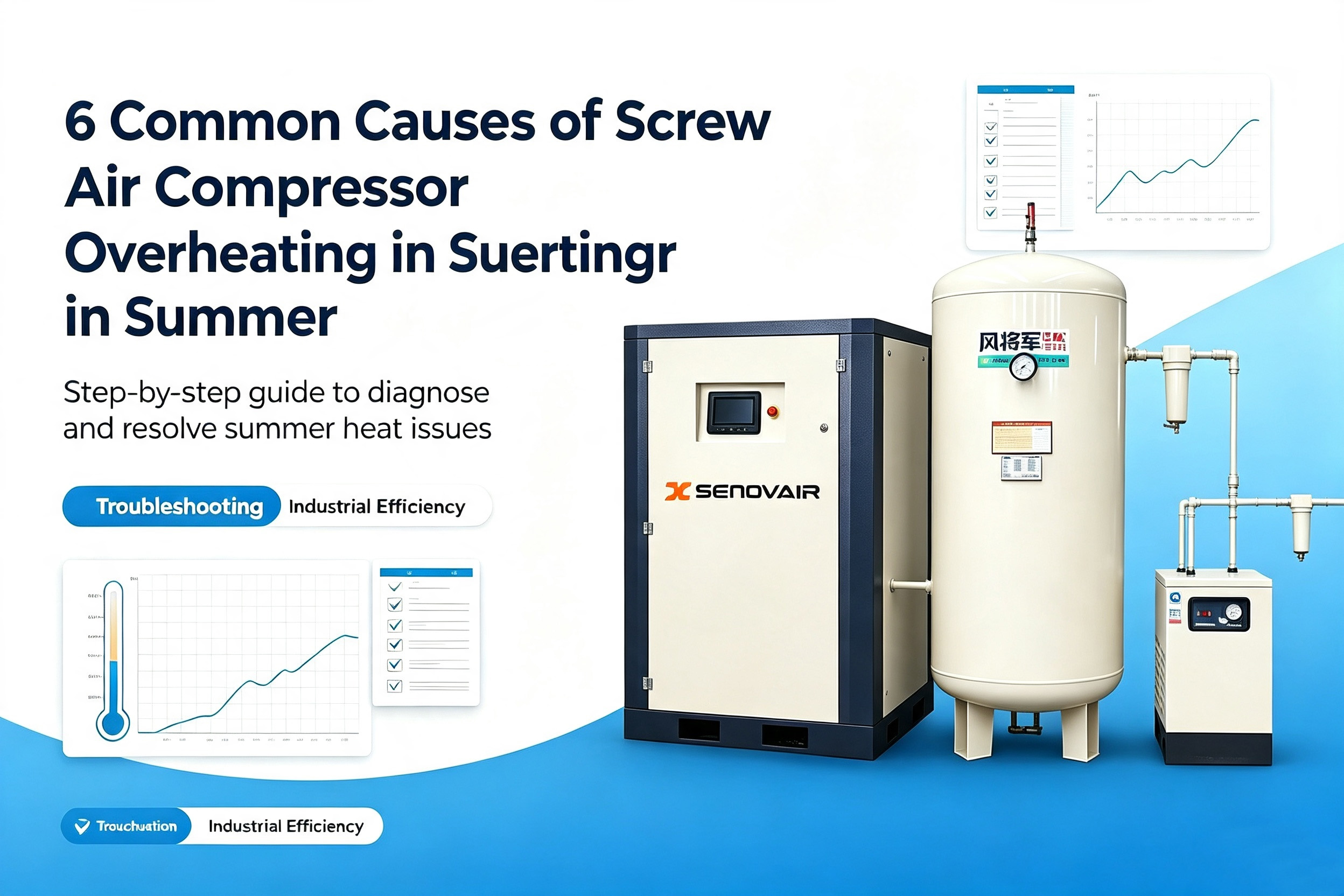

6 Common Causes of Screw Air Compressor Overheating in Summer and How to Troubleshoot Them
2026-07-15
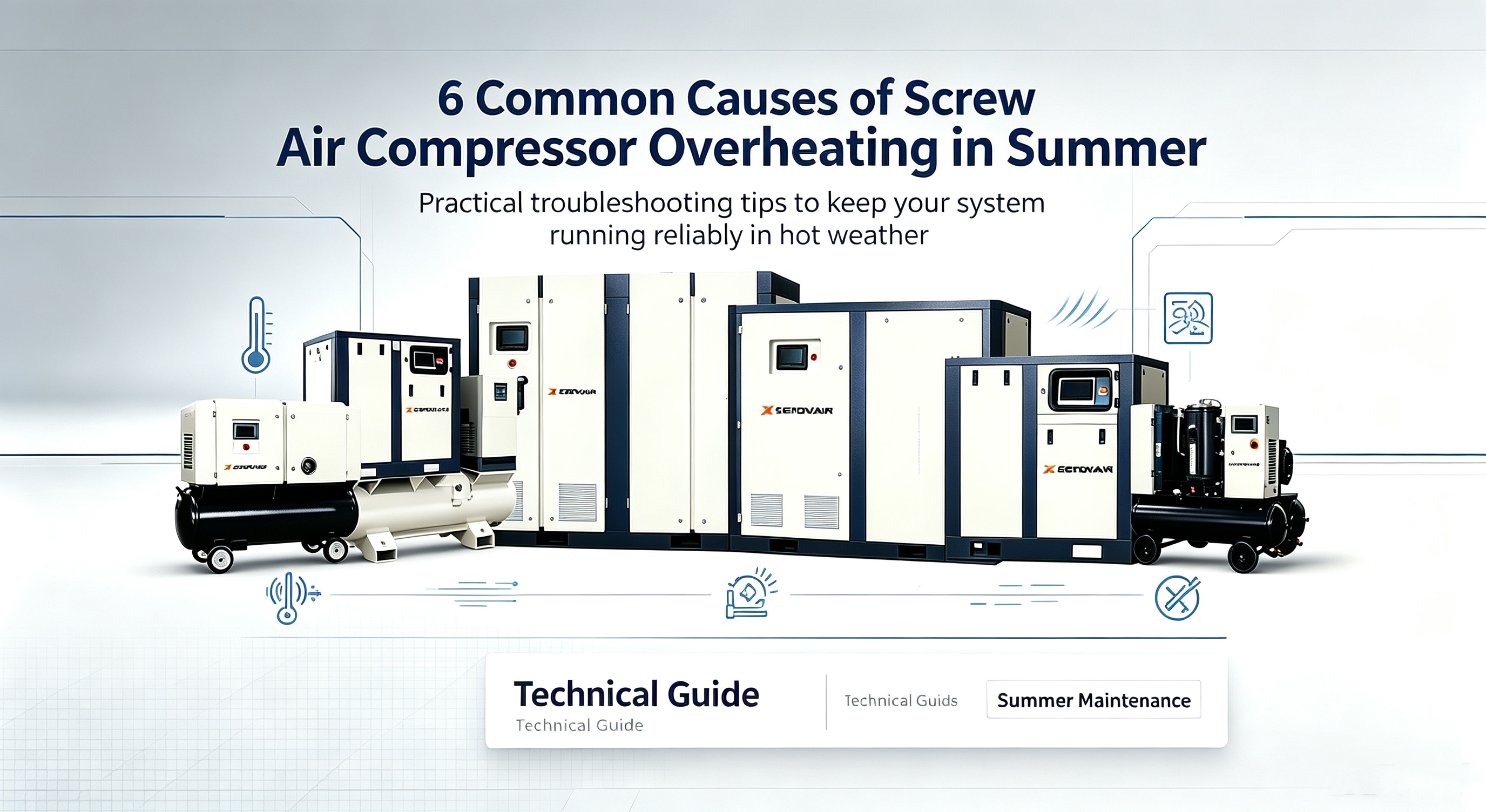
As ambient temperatures continue to rise, high-temperature alarms and shutdowns in screw air compressors are becoming increasingly common. To help you quickly locate problems and efficiently resolve faults, this article systematically outlines the core causes of high compressor temperatures. Each point is combined with practical troubleshooting guidelines, balancing professionalism and practicality, for industry professionals' reference.
1
Insufficient or Abnormal Lubricating Oil (Most Common)
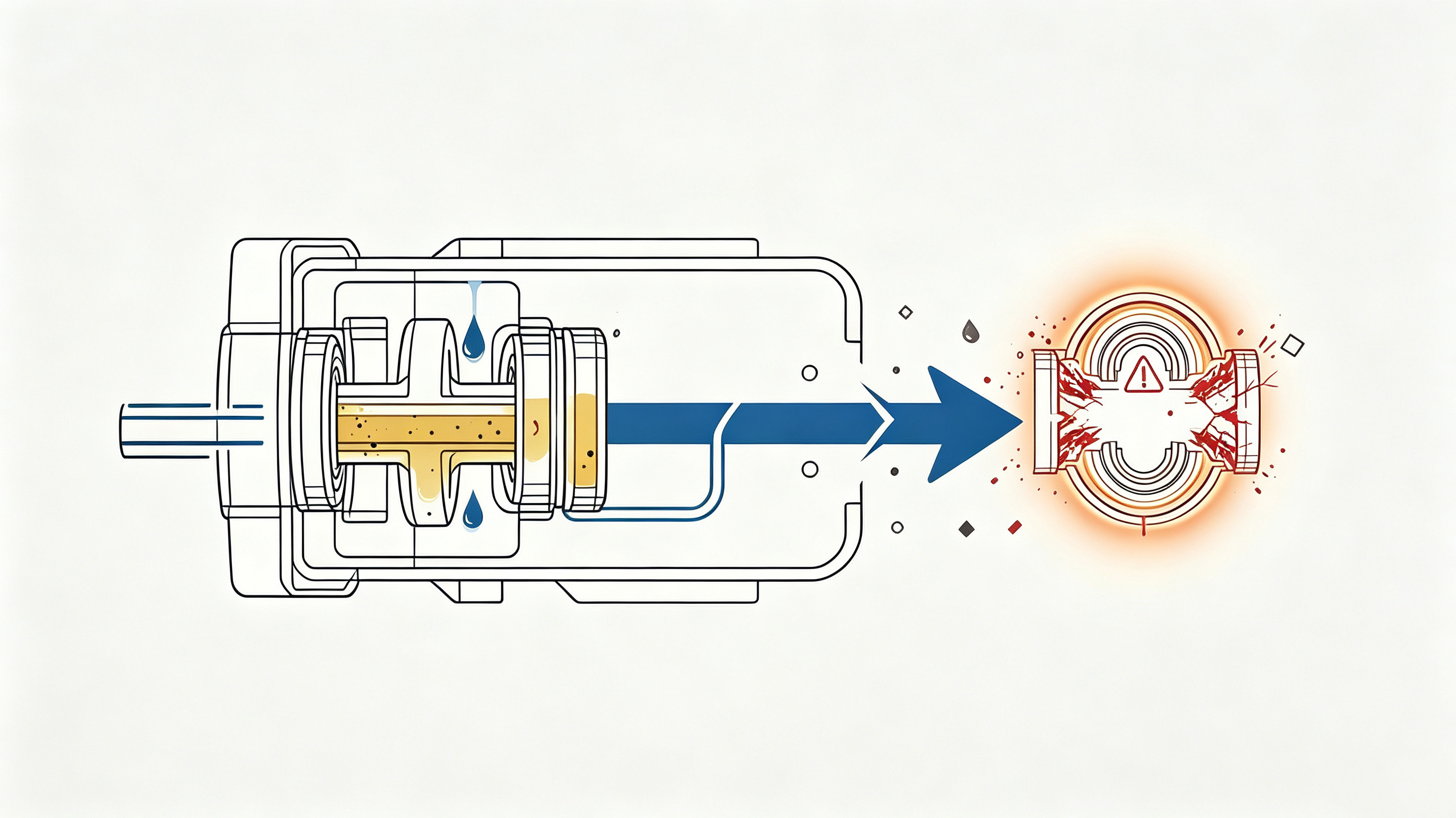
Lubricating oil is not only responsible for lubrication but also for cooling and removing heat from the air-end. When the oil level is insufficient, the oil is aged, or the type is incompatible, lubrication effectiveness decreases, the air-end temperature rises rapidly, and in severe cases, the screw compressor may be damaged.
Key Checks:
- Is the oil level in the oil-air separator normal?
- Is the lubricating oil past its replacement cycle?
- Is the lubricating oil meeting the requirements?
2
Oil Cooler/Heating System Failure (High Incidence in Summer)
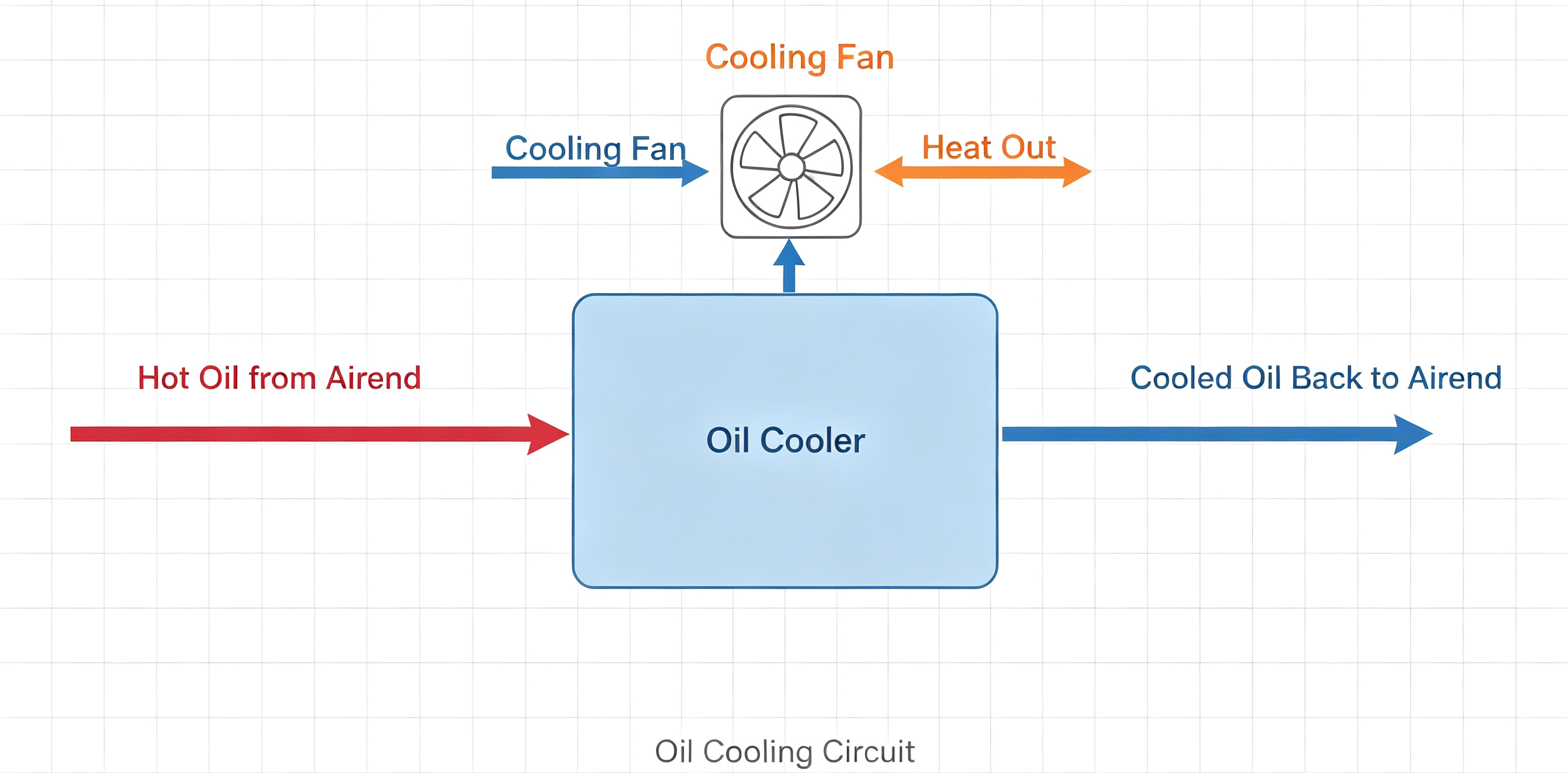
In summer, ambient temperatures rise, increasing the pressure on the air compressor to dissipate heat. If the oil cooler is clogged, scaled, or its cooling effect decreases, heat cannot be dissipated in time, easily leading to high-temperature alarms.
Key Inspection Points:
- Is the cooler surface clogged with dust?
- For water-cooled models, check the cooling water temperature, pressure, and flow rate.
- For air-cooled models, check the fan operation and ventilation environment.
3
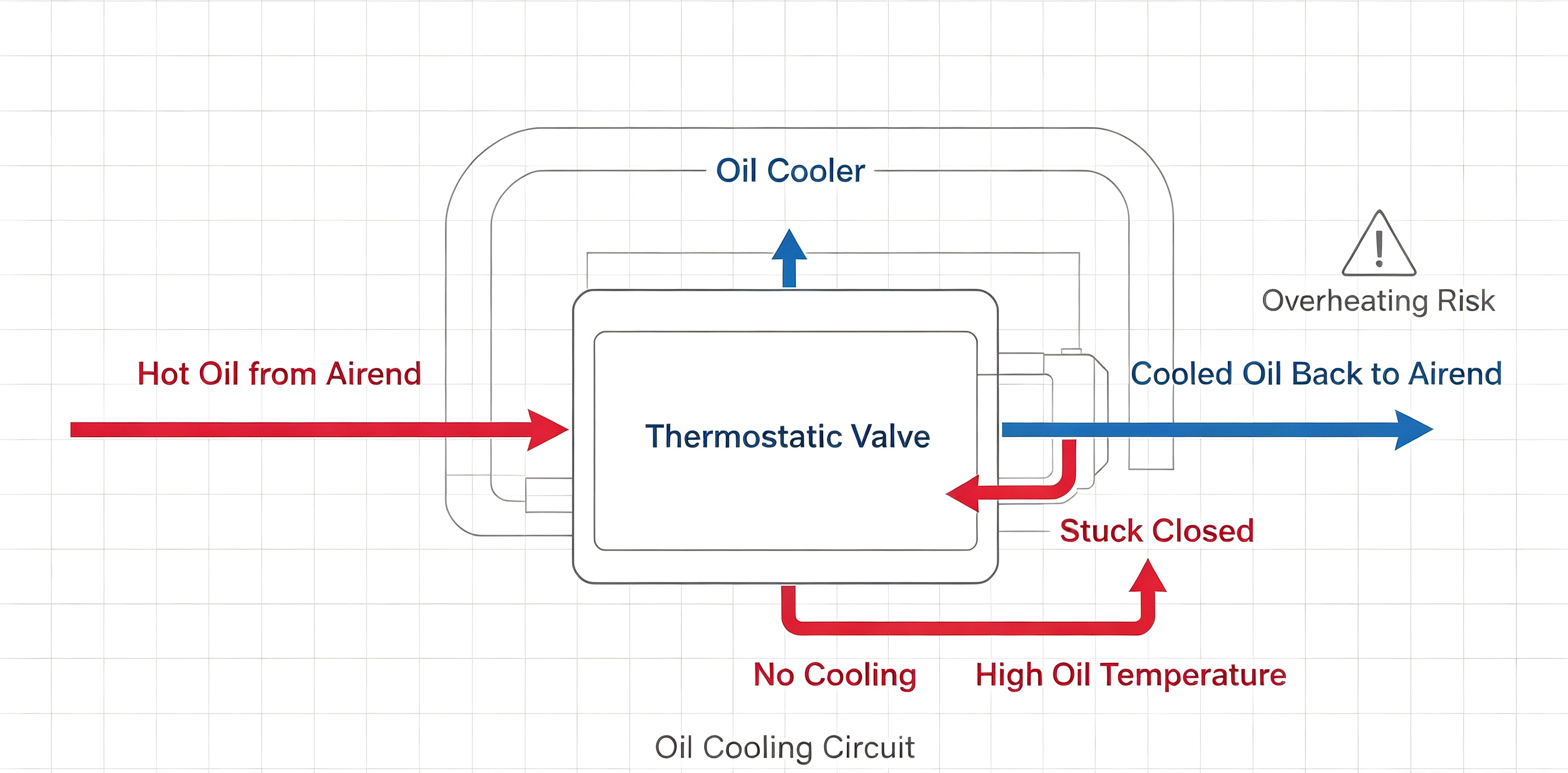
Thermostatic Valve (Temperature Control Valve) Malfunction
Thermostatic valves control the lubricating oil circulation path, maintaining the oil temperature within a reasonable range. If the valve core is stuck or malfunctions abnormally, the lubricating oil may not be able to pass through the cooler for cooling, causing the equipment to operate at continuously high temperatures.
Key Inspection Points:
- Is the thermostatic valve opening/closing normally?
- Is the valve core stuck?
- Does the thermostatic valve need to be replaced?
4
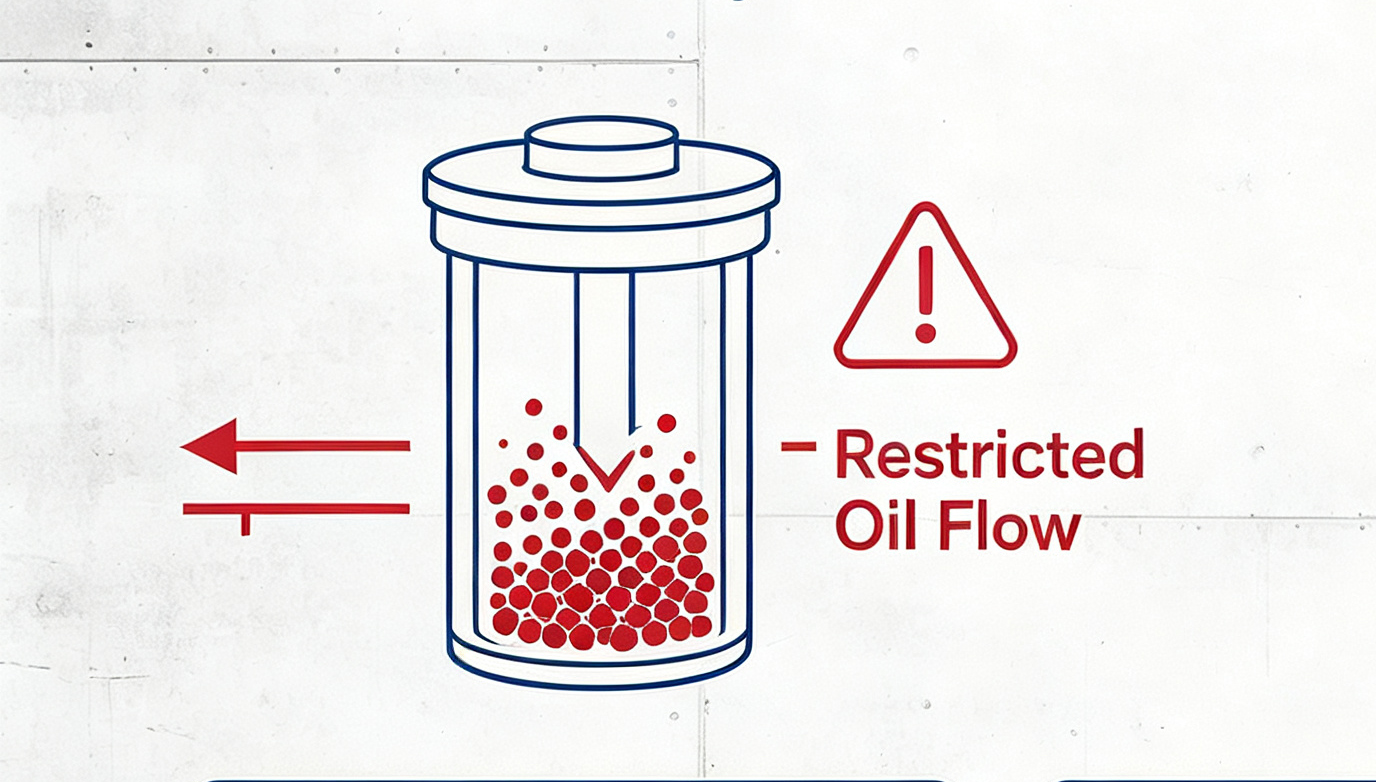
Oil Filter Clogged
A clogged oil filter reduces lubricating oil flow, preventing the compressor head from receiving sufficient lubrication and cooling, leading to a rapid temperature increase.
Key Inspection Points:
- Is the oil filter past its service life?
- Is there any abnormal oil pressure?
- Does the filter element need to be replaced promptly?
5
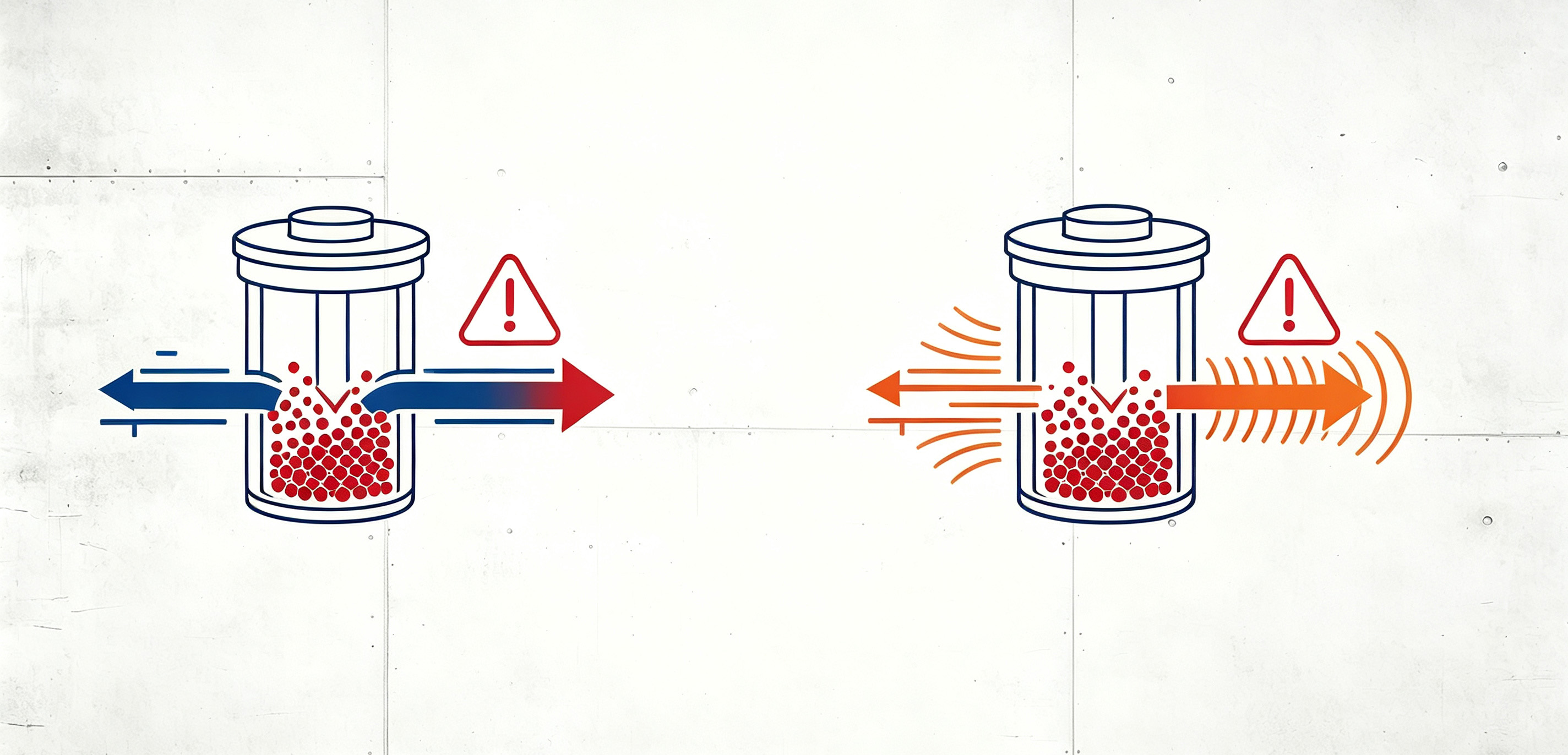
Air Filter or Oil-Gas Separator Clogged
A clogged filter increases the operating load of the equipment, causing the air compressor to operate under high load for extended periods, resulting in increased temperature.
Key checks:
- Is the air filter clogged? (Decreased air production is the main symptom.)
- Is the oil-gas separator causing increased system pressure?
- Is the differential pressure alarm functioning correctly?
6
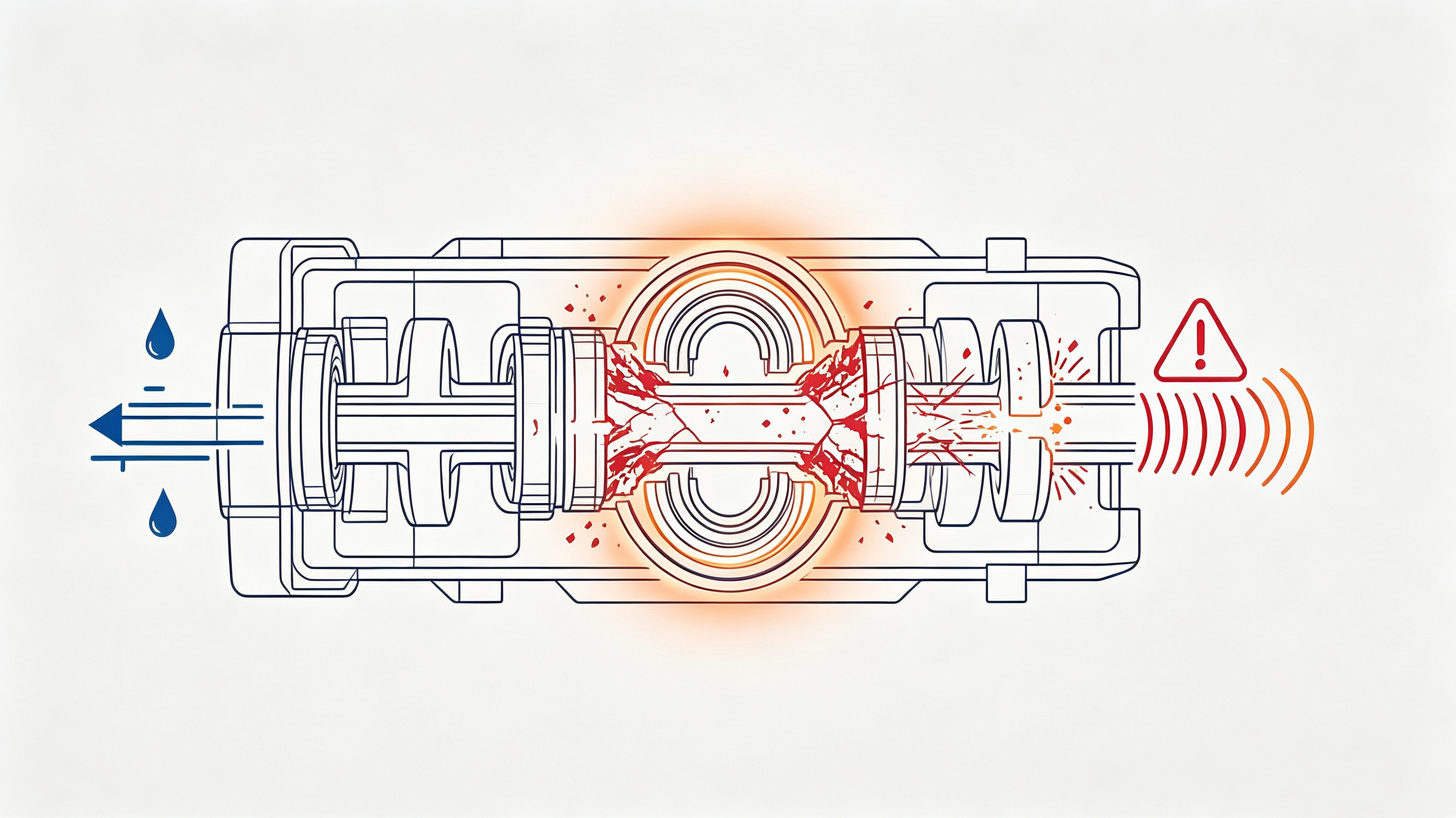
Screwdriver bearing wear or main unit malfunction (serious cases)
If high temperature persists after ruling out the above issues, the screw compressor itself needs to be checked. Long-term bearing wear increases internal friction, generating significant heat, and in severe cases, may cause the main unit to seize.
Key checks:
- Is the operating sound abnormal?
- Is the vibration increased?
- Is the operating time close to the maintenance cycle?