inquiry
Leave Your Message

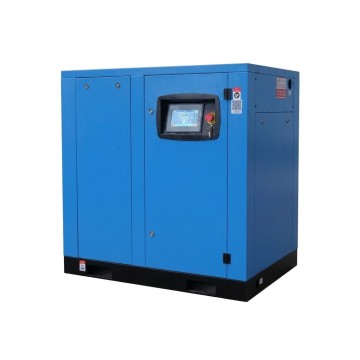
Oil Free Compressor For Textile And Chemical Production

Engineered for absolute purity, maximum efficiency, and continuous industrial reliability. Meet the stringent demands of Class 0 oil-free air standards.

The Paradigm Shift: Why Oil-Free Compressed Air is Non-Negotiable

In modern textile and chemical production facilities, compressed air is often referred to as the fourth utility. It is as vital as electricity, water, and steam. However, unlike standard manufacturing setups where a minute trace of oil carryover might be tolerated, textile and chemical manufacturing demand absolute air purity. The introduction of even a single droplet of oil into the air stream can compromise product quality, damage high-value production equipment, trigger catastrophic chemical reactions, or lead to regulatory non-compliance.

This is where the Oil-Free Compressor for Textile and Chemical Production becomes an indispensable asset. By eliminating oil from the compression chamber entirely, these systems guarantee 100% oil-free air, conforming strictly to ISO 8573-1 Class 0 certification. As industries pivot toward green manufacturing, smart automation, and zero-defect quality control, the transition to oil-free technology has accelerated from a premium choice to an absolute industry standard.

Industry Standard Insight: ISO 8573-1 Class 0 is the most stringent air quality class. It specifies zero oil contamination in the air stream, including liquid, aerosol, and vapor forms. Standard oil-lubricated compressors with filtration systems are prone to filter bypass or catastrophic failure, making true oil-free compressors the only reliable solution for sensitive processes.

Deep Dive: Oil-Free Air in Modern Textile Manufacturing

The textile industry has evolved from mechanical looms to highly automated, high-speed pneumatic operations. Clean, dry, oil-free compressed air is the lifeblood of these facilities. Let's examine the critical applications where oil-free air plays a decisive role:

1. Air-Jet Loom Weaving

Air-jet looms use high-velocity blasts of compressed air to carry the weft yarn across the shed. These looms operate at incredible speeds, often exceeding 1,000 picks per minute. If the compressed air contains even trace amounts of oil, the oil will deposit directly onto the yarn. This causes immediate staining, alters yarn tension, and leads to uneven dye absorption during the finishing phase. A single oil spot can ruin hundreds of meters of high-grade fabric, resulting in massive financial losses and high rejection rates.

2. Spinning, Winders, and Texturizing

Modern synthetic fibers, such as polyester and nylon, are extruded and drawn using pneumatic systems. Microscopic oil droplets in the air can chemically react with synthetic polymers, weakening the fiber structure or causing microscopic variations that lead to thread breakage during high-speed spinning. Oil-free air ensures consistent fiber strength, uniform texture, and flawless spool winding.

3. Dyeing, Finishing, and Pneumatic Controls

In dyeing and finishing plants, compressed air is used to actuate control valves, mix chemical dyes, and assist in fabric drying. Oil contamination in the control lines can cause pneumatic valves to stick or fail, disrupting precise dyeing cycles. Furthermore, if oil enters the dye bath via aeration air, it forms an emulsion that ruins color consistency, resulting in blotchy, unevenly colored fabrics.

Smart Air Machinery Manufacturing Facility
21 Years Of Experience

Company Profile

Smart Air Machinery (Linyi) Co., Ltd., established in 2005, is a diversified manufacturing enterprise integrating product research and development, production, and sales. The company employs over two hundred people and primarily manufactures screw air compressors, piston air compressors, air storage tanks, and related machinery.

With over two decades of dedicated research and development, Smart Air has engineered state-of-the-art compression technologies that cater specifically to high-purity industrial sectors. Our engineering expertise allows us to deliver specialized oil-free solutions that meet the rigid environmental and operational demands of global textile mills and chemical processing plants.

2005
Established Year
200+
Skilled Employees

Deep Dive: Oil-Free Air in Chemical and Petrochemical Processing

The chemical industry operates under strict safety, environmental, and purity guidelines. In these environments, compressed air does not just power tools; it is an active participant in chemical processes, product transportation, and plant safety systems.

1. Pneumatic Conveying of Raw Materials

Chemical production often involves transporting dry powders, granules, and volatile raw materials through piping networks using pressurized air. If the air contains oil, the oil acts as a binder, causing powders to clump and clog the transport lines. More critically, in the production of fine chemicals, pharmaceuticals, or food-grade chemical additives, oil contamination ruins the entire chemical batch, resulting in expensive disposal costs and strict regulatory penalties.

2. Process Instrumentation and Control Systems

Chemical plants utilize thousands of highly sensitive pneumatic instruments, positioners, and control valves to regulate temperature, pressure, and flow rates. Oil vapor in the instrument air line degrades internal seals, attracts ambient dust, and clogs delicate orifices. This causes calibration drift, sluggish valve response, or complete control system failure, which can lead to emergency plant shutdowns or hazardous chemical overruns.

3. Nitrogen Generation and Blanketing

Many volatile chemical storage tanks require nitrogen blanketing to prevent combustion. Nitrogen is commonly generated on-site using Pressure Swing Adsorption (PSA) or membrane separation systems, both of which require a feed of compressed air. If oil vapor enters these separation systems, it quickly coats and permanently damages the expensive molecular sieves or membranes, leading to system downtime and high replacement costs. Oil-free compressors ensure the longevity and efficiency of nitrogen generation plants.

4. Safe Operations in Hazardous Environments

Chemical plants are often classified as hazardous environments due to the presence of flammable gases and dust. Traditional compressors carry a risk of hot oil mist discharge, which can act as an ignition source. True dry oil-free compressors eliminate this risk entirely, enhancing overall facility safety and aligning with global explosion-proof standards.

Why Choose Us

Discover how Smart Air combines heritage, quality, and technological innovation to deliver unmatched air compression solutions.

Company Heritage

Located in Linyi, the logistics capital of China, our company has accumulated rich production experience, strong technical capabilities, a top-notch R&D team, and complete testing equipment through over 20 years of diligent research and continuous innovation.

Product Advantages

Our products, known for their aesthetically pleasing design, meticulous material selection, exquisite craftsmanship, and superior quality, are sold worldwide and have received widespread acclaim from customers.

Brand Strategy

Smart Air is committed to building a leading brand in China's air compressor industry. We firmly implement our own brand strategy, adhere to the principle of honest business practices, prioritize customer service, continuously strengthen our production capabilities, and constantly enhance our brand influence.

Quality Philosophy

We firmly believe that "quality creates reputation," "reputation creates brand," and "brand creates market." Currently, we have become a well-known and advanced enterprise in the industry.

Technical Evolution: Dry Screw vs. Water-Injected Oil-Free Technologies

When selecting an oil-free compressor for textile or chemical plants, engineers generally choose between two primary technologies: Dry Screw Oil-Free Compressors and Water-Injected Oil-Free Compressors. Understanding the mechanical differences is key to optimizing energy consumption and maintenance cycles.

Dry Screw Oil-Free Compressors

Dry screw compressors rely on high-precision, synchronized timing gears to prevent the asymmetrical rotors from making physical contact. Because there is no oil or water to seal the rotors, these machines must operate at extremely high rotational speeds (often exceeding 10,000 RPM) to minimize air slippage. The rotors are coated with specialized, high-temperature wear-resistant materials (such as Teflon or ceramic-based coatings) to ensure durability. These systems are highly reliable, offer exceptionally low maintenance, and are ideal for continuous, round-the-clock operations in chemical plants.

Water-Injected Oil-Free Compressors

Water-injected systems use highly purified water as a lubricating, sealing, and cooling medium within the compression chamber. The water absorbs the heat of compression, allowing the machine to operate nearly isothermally (at much lower temperatures than dry screw units). This dramatically increases thermodynamic efficiency and saves energy. The water is continuously filtered and recirculated. For textile mills looking to minimize energy bills while maintaining strict oil-free standards, water-injected screw compressors represent a highly attractive, eco-friendly solution.

Global Market Trends: Green Manufacturing and Smart IoT Integration

The industrial landscape is undergoing a massive transformation driven by sustainability and digitization. Oil-free compressor systems are at the forefront of these trends:

  • Energy Efficiency & PM VSD: Compressed air production can account for up to 40% of a factory's total electricity bill. Integrating Permanent Magnet Variable Speed Drive (PM VSD) technology allows the compressor to dynamically adjust its motor speed to match real-time air demand. This eliminates wasteful unload cycles and can reduce energy consumption by up to 35% to 50%.
  • Smart IoT Monitoring: Modern chemical and textile plants are highly integrated. Smart Air's advanced IoT integration allows plant managers to monitor air pressure, temperature, dew point, and vibration levels remotely. Predictive maintenance algorithms can detect air filter blockages or mechanical anomalies before they lead to unexpected downtime, ensuring continuous production line uptime.
  • Carbon Footprint Reduction: Traditional oil-lubricated compressors produce thousands of liters of contaminated oily condensate every year, which requires specialized, expensive disposal. Oil-free compressors generate pure water condensate that can be easily discharged or recycled, drastically reducing the plant's environmental footprint and aligning with global ESG (Environmental, Social, and Governance) targets.

Our Certificates & Global Reach

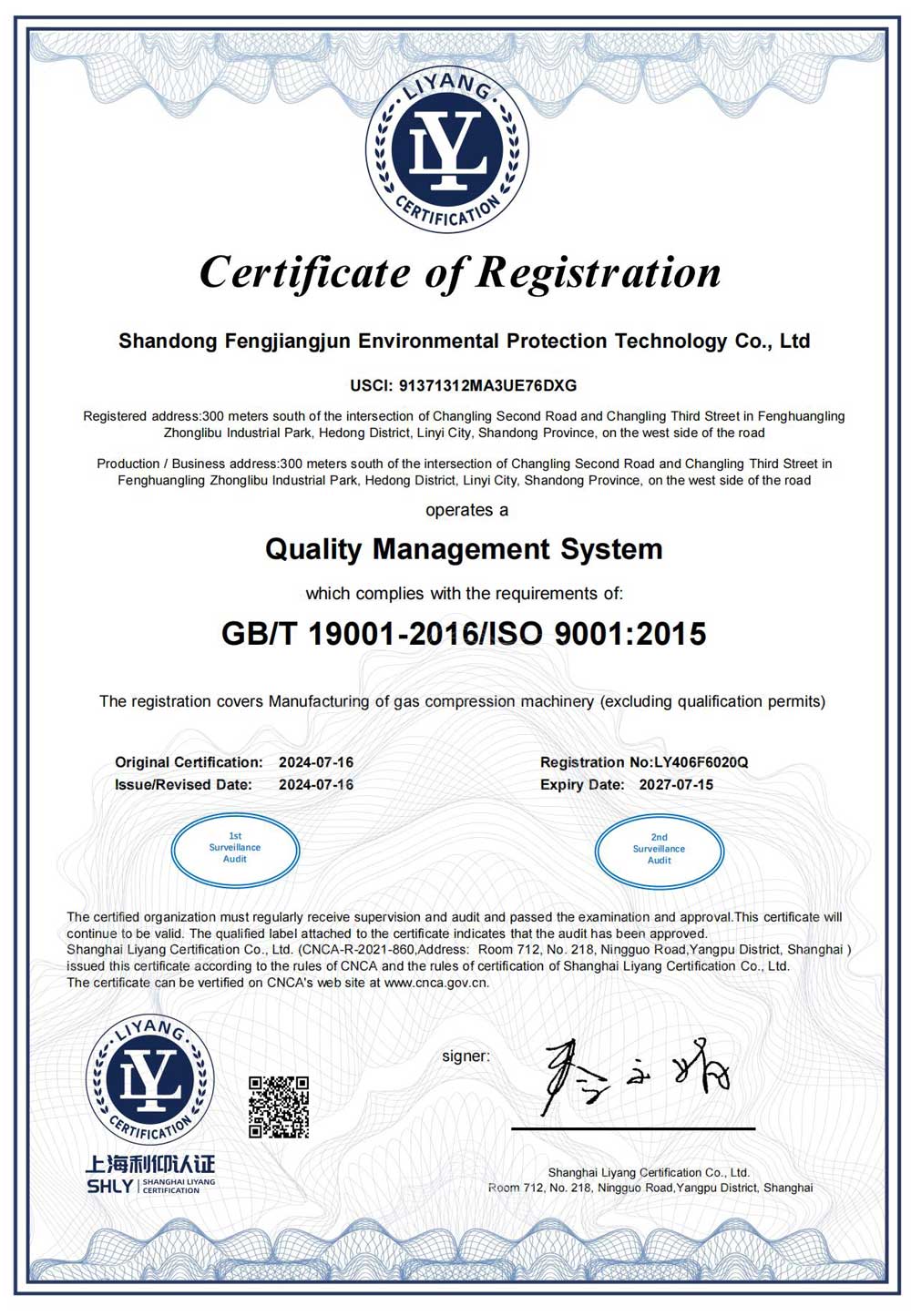
Since its establishment, the company has successively received numerous honors, including "China Famous Brand," "China's Preferred Brand for Green and Environmentally Friendly Products," "Top Ten Foreign Trade Enterprises in the Mall," "High-Tech Enterprise," "3A Credit Enterprise," and "Civilized and Trustworthy Unit."

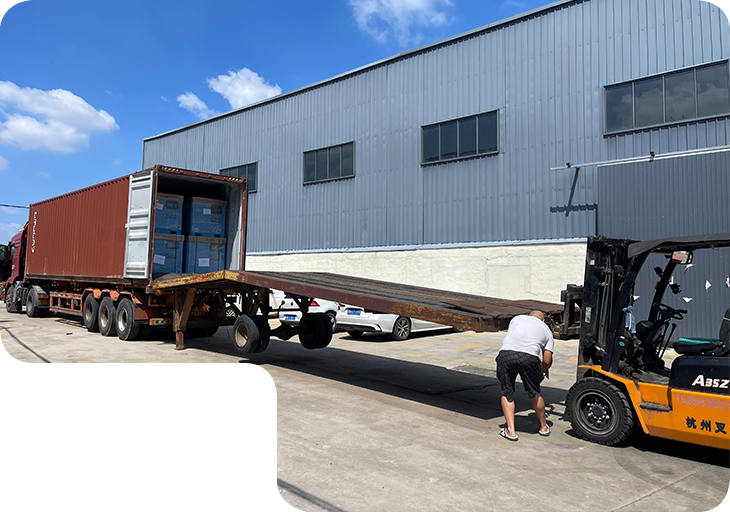
With a proven track record of successful collaborations in over 20 countries, including the USA, Canada, Colombia, Chile, Australia, New Zealand, Russia, Indonesia, Vietnam, Malaysia, India, Sri Lanka, Bangladesh, Pakistan, Dubai, Afghanistan, Israel, Syria, Kosovo, Tunisia, and Angola, we are committed to meeting the diverse needs of our clients.

At Smart Air, we pride ourselves on delivering tailored solutions that adhere to the highest standards of quality and performance. Our customers consistently express their satisfaction with our products, praising their reliability and efficiency. Join the growing list of satisfied clients who trust Smart Air for their air compression needs. Experience excellence with us today!

We will always uphold our commitment to warm hospitality and attentive service, and we welcome domestic and international business partners to discuss cooperation.