inquiry
Leave Your Message

Blog

What Is the Best Electric Air Compressor in 2026?

What Is the Best Electric Air Compressor in 2026?

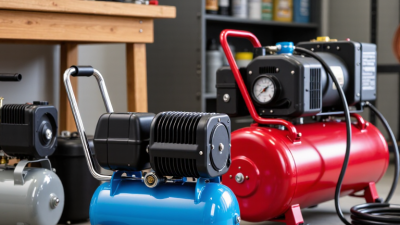
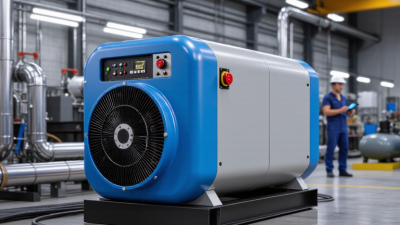
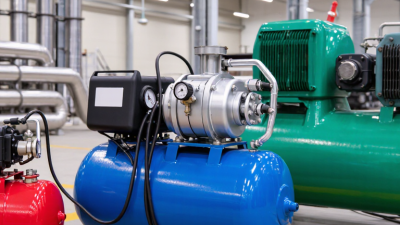
Honestly, picking the best electric air compressor for 2026 seems easy—until you actually start comparing tank sizes, motor power, noise levels, and price. You might find a compact one that fits neatly under your workbench, but then again, a bigger unit is what you really need if you're using tools non-stop. For most homeowners, inflating tires or doing light DIY projects, portability often beats raw power. So yeah, it's a bit of a trade-off. When you're working with demanding tools, the airflow really has to be at the right pressure—that's where it all matters. And honestly, even the tiniest differences can make a big deal. Honestly, there's no one-size-fits-all answer here—what works for you really comes down to the job you're doing, the power you've got available, and how often that thing's going to be running. So, this guide is all about comparing electric air compressors based on stuff that actually matters in practice: airflow, tank size, duty cycle, noise, how easy it is to move around, and what it's like to maintain. And hey, we'll also help you untangle those spec sheets, because you can't just fixate on one flashy number and assume it tells the whole story. Like, sure, a compressor might have a super high pressure rating, but if it can't push enough air (flow-wise) for your specific tool, it's pretty much useless. So always double-check what your tool actually needs before you commit. You know, the ratings you see online? They don't always tell the whole story. Like, they won't show you how noisy a machine gets or how long it takes to recover when you're actually using it in a busy office. Even if you do your homework and compare specs side by side, there's only so much you can figure out from a spreadsheet. So, where we can, we'll try to separate the official numbers from what we've actually seen with our own eyes—and point out stuff you should double-check before you hand over your credit card. And hey, don't just go for the cheapest option; think about your power outlets, how much desk space you've got, and what you'll really be doing with it day to day. There's no one-size-fits-all winner here, and sometimes the best pick for you might be a bit less beefy than you'd expect. Honestly, that's often the smart move.
Read more »
Aria By:Aria - November 10, 2026
How to Choose the Right Compressor Device for Your Business

How to Choose the Right Compressor Device for Your Business

Picking the right Compressor Device? That's a bigger deal than you'd think. It can totally mess with your production costs, the quality of your products, and even how reliably things run day to day. And here's the thing – the best one isn't always the biggest or the cheapest. No, it's the one that actually fits what you need, like your real air demand and how you operate. Compressed-air specialist Ron Marshall? He's all about being efficient and actually measuring how your system performs. Put simply, his advice is: don't pick a capacity until you've measured what you really need. Sounds practical, right? So what you do is track airflow during your busiest shifts, keep an eye on pressure where you're actually using it, and see how often demand jumps around. A workshop with a bunch of air tools running sporadically is totally different from a packaging line that just keeps going non-stop. And you know, the little things can trip you up. When you're comparing compressors, don't just fixate on the nameplate capacity—there's way more to it. Think about energy consumption, duty cycle, air quality requirements, noise levels, how accessible the service points are, and what routine maintenance will look like. And seriously, ask suppliers for performance data at your actual working pressure, not just those flashy headline numbers. Then check: can the system handle peak demand without running inefficiently for long stretches? Because that'll end up costing you in the long run. Honestly, having a qualified compressed-air professional review the measurements, spot leaks, and catch pressure losses before you commit? That's a smart move—totally worth it. Honestly, there's no magic shortcut here. Your first guess at what you need might totally miss the mark—like when seasonal demand spikes out of nowhere or production plans shift down the road. So it's worth going back and double-checking your assumptions. In this guide, I'll walk you through how to figure out what you actually need, compare the different compressor types, and weigh the long-term costs. The whole point is to land on a compressor that's reliable, fits your business, and doesn't burn through energy or capacity that you don't even use.
Read more »
Sophia By:Sophia - November 5, 2026
What Is a Compressed Air Dryer and How Does It Work?

What Is a Compressed Air Dryer and How Does It Work?

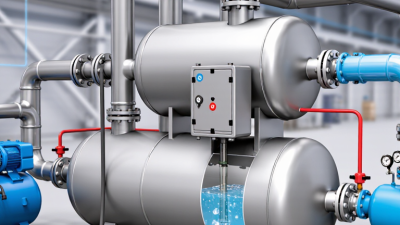
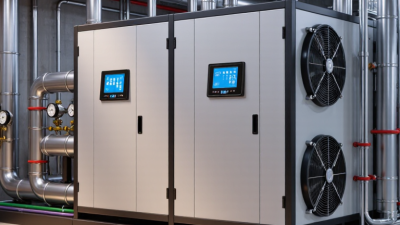
Let’s face it—if you’re using compressed air, you really don’t want it full of moisture. That’s where compressed air dryer tech comes in. Sure, a compressor can push air to high pressure, but it also heats things up and pulls in humidity from the air around it. And once that moisture hits the cooler pipes, it condenses into liquid water—which can lead to rust, clogged filters, frozen control lines, and a whole lot of headaches. Sure, a dryer isn't exactly glamorous. But it pulls the moisture out before it ever gets near sensitive equipment. And that means dependable production, plain and simple. According to the U.S. Department of Energy—they have a whole sourcebook on improving compressed air system performance—compressed air can eat up around 10% of all electricity used in industry. And get this: the same source says leaks alone might waste 20% to 30% of what the compressor puts out. So yeah, drying and distribution deserve a lot more attention than they usually get. If you pick the wrong dryer, you'll see extra pressure loss and higher energy bills. And if you ignore maintenance? It can quietly wreck valves, cylinders, and even your finished products. The basic idea is actually pretty simple. You’ve got refrigerated dryers that cool the compressed air down, which makes the water vapor condense, and then an automatic drain gets rid of it. Desiccant dryers, on the other hand, push the air through something that soaks up moisture, so you can hit much lower pressure dew points. And when it comes to matching air quality to what you actually need, CAGI and ISO 8573-1 are your go-to references. For example, a packaging line usually needs a different level of protection than, say, a workshop air tool. You know, it's really the little things that count—stuff like inlet temperature, ambient conditions, flow rate, and how well the drain performs. But in the real world, no dryer is going to be perfect. Operators still have to stay on top of things: regular inspections, dew-point checks, leak surveys—the usual. The math doesn't always work out neatly either. Even so, if you size the compressed air dryer right, it can keep your equipment safer, cut down on contamination headaches, and give you steadier energy performance.
Read more »
Ethan By:Ethan - November 1, 2026
10 Best Industrial Air Dryers for Global Buyers

10 Best Industrial Air Dryers for Global Buyers

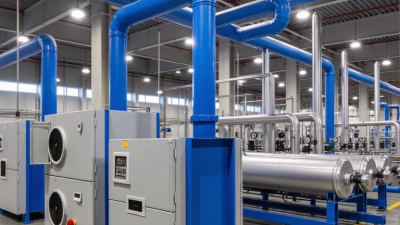
You know, industrial air quality isn't just a 'check it every now and then' kind of thing anymore. It actually has a real impact – it can mess with your product consistency, jack up energy costs, and even shorten the life of your equipment. That's where an Industrial Air Dryer comes in. It simply pulls the moisture out before that compressed air reaches your valves, tools, packaging lines, and control instruments. You know, if you don't dry it properly, water can get trapped inside that blue pipe—then it'll rust up and carry all that gunk downstream, and before you know it, your whole production line just stops, out of nowhere. You know, the U.S. Department of Energy did some research and found that leaks in compressed-air systems can waste a hefty 20 to 30 percent of the compressor's output. And it doesn't stop there—their guidance points out that a poorly designed system can rack up operating costs for years on end. That's why the Compressed Air and Gas Institute came up with performance standards, so buyers can actually compare things like pressure dew point, flow capacity, and energy consumption without pulling their hair out. Trust me, these details are way more important than just grabbing the cheapest option out there. Ron Marshall, who works with compressed-air systems and is tied to the Compressed Air Challenge, likes to remind people that “compressed air is the most expensive utility in a plant.” And honestly, he's got a point. You might not realize it, but a dryer that's wasting purge air can quietly jack up your electricity bill—every single hour. Sure, a refrigerated dryer might do the trick for a typical factory, but if you're in pharma, food, or dealing with precision instruments, a desiccant dryer is probably the safer bet to keep things protected. So, we've rounded up 10 of the best industrial air dryers out there for buyers around the globe. Honestly, it wasn't just about drying performance—we dug into things like lifecycle costs, how easy they are to maintain, how they handle different climates, and even supplier support. But here's the thing: no ranking is perfect, and your needs might be totally different from someone else's. For instance, a model that works wonders in Germany could struggle in a humid coastal plant. So, take our list with a grain of salt. Go through the data yourself, be a bit skeptical of flashy marketing claims, and make sure you verify how these machines actually perform under your real operating conditions. Only then should you pull the trigger on a purchase.
Read more »
Ethan By:Ethan - October 28, 2026
Top 10 Air Storage Tank Types for Global Buyers

Top 10 Air Storage Tank Types for Global Buyers

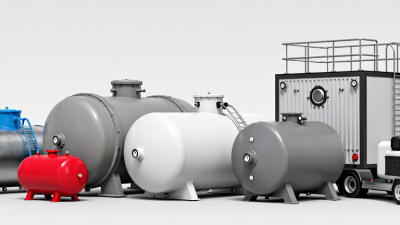
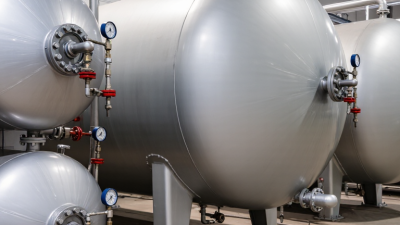
Picking an air storage tank isn’t just about how much capacity you need anymore. These days, buyers around the world have to line up the tank design with pressure, air quality, where it’s going to fit, how often it runs, and whatever local inspection rules apply. A tank sitting next to a CNC line might need very different protection than one used in a hospital, a food plant, or on a mobile compressor. And yeah, the small stuff counts too—drain access, corrosion allowance, pressure gauges, safe isolation points. Those details can make or break the setup. So, the U.S. Department of Energy has this sourcebook for industry called Improving Compressed Air System Performance. In it, they point out that storage is a pretty important tool for keeping pressure steady and handling those demand peaks. They also call out leakage and using air for the wrong things as some of the usual ways efficiency gets lost. And the Compressed Air and Gas Institute backs up similar good practices, like getting the sizing right, where you place the receiver, and doing regular inspections. So, these findings really explain why you need to look at a Compressed Air Storage Tank as part of the whole air system — not just buy it as a standalone vessel. So, this guide is basically a rundown of ten Air Storage Tank types that international procurement teams tend to use a lot. We’re talking vertical and horizontal receivers, galvanized and stainless steel versions, high-pressure models, buffer tanks, wet and dry receivers, and those specialized energy-storage vessels. Each one comes with its own upsides, downsides, and maintenance headaches. Honestly? There’s no one-size-fits-all winner here. And that’s a point people often miss. Supplier claims can vary too—sometimes quite a bit—depending on things like regional standards, operating temperatures, and how testing is done. So before you approve anything, it's worth checking the nameplate data, material certs, relief-valve settings, warranty terms, and inspection records. And honestly, some recommendations still come down to judgment. Real plant conditions have a way of making even the perfect spec on paper not hold up.
Read more »
Sophia By:Sophia - October 24, 2026
What Is the Best Compressed Air Dryer from China?

What Is the Best Compressed Air Dryer from China?

Choosing the best Compressed Air Dryer from China requires more than comparing catalog prices. It demands practical judgment, verified performance, and a clear understanding of the production environment. A dryer operating beside a dusty compressor room faces different risks from one installed in a clean electronics factory. Temperature, humidity, airflow, pressure, dew point, and maintenance access all affect the final decision. Refrigerated dryers may suit general manufacturing, while desiccant dryers can protect instruments and processes requiring very dry air. The specification must match the application. Hank van Ormer, a respected compressed-air efficiency expert, has repeatedly emphasized, “Compressed air is not free.” His warning remains highly relevant. A low purchase price can hide energy losses, excessive pressure drop, weak controls, or expensive replacement parts. Reliable Chinese suppliers should provide measurable data, including inlet conditions, flow capacity, pressure dew point, power consumption, and test methods. Compliance with ISO 7183 and suitable air-quality requirements under ISO 8573-1 can strengthen technical confidence, but documents alone are not enough. Ask for factory records, component brands, service procedures, and references from comparable plants. See the machine running. No ranking is perfect. A dryer praised in one factory may disappoint in another. Even a reputable company can deliver a poor result when sizing is careless. This guide therefore examines leading Chinese options through efficiency, durability, control quality, after-sales support, and total ownership cost. The real winner is not always the cheapest unit. It is the dryer that keeps moisture away from production without quietly wasting energy.
Read more »
Ethan By:Ethan - October 20, 2026
How to Choose the Right Compressor Machine in 2026?

How to Choose the Right Compressor Machine in 2026?

Picking the right compressor machine in 2026? It’s really not just about who’s selling the lowest price. The smarter place to start is with what you actually need: how much airflow, what pressure, how often it runs, where it’ll sit, and whether anyone can actually get to it for maintenance. A small workshop might be fine with a compact rotary screw unit. A packaging plant? That’s a different story—it may need oil-free air, steady pressure, and nonstop operation. Ron Marshall, who knows compressed-air systems inside and out, put it well: “The cheapest compressed air is the air you do not use.” Still rings true. Go too big, and the compressor can cycle inefficiently, burn energy, and run up service bills. Go too small, and it may just run and run, overheat, and stumble when production ramps up. So don’t just stare at the nameplate. In 2026, buyers should be looking at variable-speed tech, smart controls, heat recovery, noise levels, and efficiency numbers that can actually be verified. Ask for performance under real-world conditions—not just glossy lab data. And check whether the supplier can support local techs, supply genuine parts, and lay out a clear maintenance schedule. Atlas Copco, Ingersoll Rand, and other established names each have their strengths, but a brand name by itself is no substitute for looking at your actual application. Also think ahead. Add another production line later, and your airflow needs can change a lot. This is where a lot of purchasing plans get messy. Forecasts are wrong sometimes, and energy prices move. So compare total cost of ownership over several years—electricity, filters, oil, downtime, disposal, all of it. The best compressor machine isn’t automatically the biggest or the cheapest. It’s the one that gives you dependable air with efficiency you can measure, maintenance you can manage, and enough flexibility to adjust when you learn more.
Read more »
Sophia By:Sophia - October 16, 2026
2026 Best Air Storage Tanks for Global Buyers

2026 Best Air Storage Tanks for Global Buyers

Picking the best Air Storage Tanks in 2026? It’s not just about capacity and price. If you’re buying globally, you’ve got to look at working pressure, internal volume, corrosion protection, drain design, inspection access, and whatever certifications your local market wants. A tank can look great in a catalog and still fall flat next to a compressor with unstable demand. Ron Marshall, a well-known compressed-air specialist at Marshall Compressed Air Consulting, put it plainly: “Compressed air is one of the most expensive utilities in a plant.” And he’s right. A properly sized receiver can smooth out pressure swings, help with compressor control, and cut down on unnecessary cycling. But it won’t fix an undersized compressor or a bad distribution network. Real-world buying experience tends to reveal the ugly details. Coating quality varies. Documents can be incomplete. Delivery dates? Sometimes way too optimistic. Before you pay, ask for material certificates, pressure-test records, weld inspection details, relief-valve specs, and maintenance instructions. None of that is glamorous. But it can save you from some very expensive surprises. Regional rules matter too. ASME, EN, and other recognized standards can apply differently from market to market. Importers should check compliance with qualified engineers and local authorities. Stainless steel is a good fit for tough environments; carbon steel can be better value if it’s properly protected. The right choice really comes down to air quality, climate, operating cycles, and service support. This guide compares leading Air Storage Tanks for international buyers, with a focus on safety, durability, efficiency, documentation, and realistic ownership costs. It’s not the final word. Product availability and standards change. So careful verification still matters.
Read more »
Aria By:Aria - October 13, 2026
What Are the Top Piston Air Compressors?

What Are the Top Piston Air Compressors?

What Are the Top Piston Air Compressors? Picking a top piston air compressor? It’s not just about horsepower or the sticker price. You’ve got to look at airflow, how steady the pressure stays, duty cycle, noise, how easy it is to service, and what it’ll cost in energy over its lifetime. A compact workshop unit can look great on a product page—and still struggle once it’s hit with continuous factory demand. The International Energy Agency says industrial motor systems use a big chunk of global electricity, and compressed-air systems are part of that. The U.S. Department of Energy also points out that compressed-air systems often waste a lot of energy through leaks, using air when it’s not really needed, and poor controls. So efficiency isn’t just a marketing buzzword; it’s a real buying issue. As compressed-air specialist and author Ron Marshall puts it, “Compressed air is not free.” That warning should be in the back of your mind for every comparison. A piston design can give you strong pressure in intermittent jobs—think garages, dental clinics, workshops, and small production areas. But heat, vibration, oil carryover, and frequent cycling can make it less ideal in some setups. Reports from Grand View Research and MarketsandMarkets show the global air-compressor market keeps growing. Their numbers don’t match exactly because research methods and market definitions vary. That uncertainty is worth paying attention to. No ranking is perfect, honestly. A quiet model might sacrifice output. A powerful one might throw off too much heat. So our evaluation looks at verified performance data, CAGI-style reporting, warranty terms, maintenance needs, and real-world operating conditions. The best piston air compressor isn’t always the biggest one. It’s the one that delivers dependable air without quietly draining your budget.
Read more »
Ethan By:Ethan - October 10, 2026
China Top Silent Air Compressor Suppliers for Global Buyers

China Top Silent Air Compressor Suppliers for Global Buyers

So China has turned into a pretty big sourcing hub for compressed air gear that's reliable and not crazy loud. This guide takes a look at China Top Silent Air Compressor Suppliers for Global Buyers, and the focus is on how these machines actually perform in the real world—not just shiny marketing talk. You might compare names like Denair Energy Saving Technology (Shanghai) Co., Ltd., Zhejiang Kaishan Compressor Co., Ltd., and Shanghai Screw Compressor Co., Ltd. They build for all sorts of setups: industrial, medical, lab, workshop. Their lineups often cover oil-free, oil-injected, scroll, and rotary screw models. Noise? Yeah, it matters. A compressor sitting next to a dental chair is a whole different story from one tucked away in a factory room. So check sound pressure levels, airflow, working pressure, motor efficiency, and how easy it is to get in there for maintenance. Ask if the testing follows recognized standards. Get factory test reports, warranty terms, spare-parts lists, and service response times. A quiet cabinet helps, sure—but it won't fix unstable pressure or bad cooling. Real experience tends to surface the little stuff. Door seals can loosen. Filters can get annoying to replace. A promised delivery date might slip. These are the things worth asking about directly before you pay. "Compressor Silent Air" is a common search phrase, but in the end, technical specs should drive the decision. Check certifications through official documents, not copied badges on a website. Talk to existing users if you can. Regional climate, voltage, duty cycle, and installation space all change how a compressor performs. No single supplier works for every buyer. Careful comparison is still the name of the game.
Read more »
Sophia By:Sophia - October 7, 2026
10 Air Compressor Buying Tips for Global Buyers

10 Air Compressor Buying Tips for Global Buyers

Picking out an air compressor for international use isn’t just about comparing motor size or the sticker price. It’s a bit more involved — you’ve got to consider how much air you need, the pressure your equipment requires, the climate of the location, energy costs, how easy it is to get service, and even things like shipping conditions. For example, a compressor that works perfectly in a dry workshop might not cut it in a humid coastal plant — that kind of difference really does matter. From real-world experience, I can tell you that specs alone don’t tell the whole story. You’ve gotta verify things practically — like checking the actual airflow needed at the point of use, not just the compressor’s outlet specs. Also, don’t forget to look at the duty cycle, noise levels, whether oil carries over, voltage requirements, and starting current. If you're considering adding an air dryer to protect your tools and production lines, make sure its capacity matches your actual airflow needs. A dryer that's too small leads to condensation issues, while an oversized one just wastes energy. And let’s not overlook the reliability of the supplier. It’s a good idea to ask for test reports, warranty details, spare parts lists, installation support, and references from similar industries. Confirm whether local technicians can support the setup and ongoing maintenance. If you’re buying from abroad, be sure to review different electrical standards, pressure regulations, transport issues, and environmental rules—these can vary a lot by market. Honestly, price only tells part of the story. A lower quote might hide costly filters, tricky repairs, or long shipping delays. It’s smart to think about what the total cost of ownership looks like over several years. Sometimes, you don’t really know what you’re getting until you see some operating data or try the machine out yourself. That’s why options like a monitored trial, factory visits, or independent reviews can give you more confidence. Even the most experienced buyers can overlook airflow losses or seasonal temperature swings, so asking the right questions upfront really helps avoid costly mistakes. In short, this guide offers ten practical tips to help you buy an air compressor more confidently and ensure your international purchase is safe, reliable, and well-suited to your needs.
Read more »
Ethan By:Ethan - September 30, 2026
Top Types of Compressed Air Containers for Buyers

Top Types of Compressed Air Containers for Buyers

Picking out a compressed air container isn't just about grabbing the biggest tank that can fit into your space. Honestly, it’s more about matching the vessel to your compressor, how much air you’re gonna need, the pressure you’re working with, and how much room you have available. A small receiver sitting next to a workshop compressor has a totally different job than a big, stationary tank supporting multiple production lines. You’ve got options—portable units, vertical or horizontal tanks, modular systems—all of these come with their own pros and cons, so it’s worth thinking carefully about what suits your setup best. Tim Dugan, a real pro in the compressed air world, often talks about system efficiency. But hey, I should mention that unless you see a direct quote from him, it’s best not to assume those words are exactly what he said—it’s better to stay accurate. One good rule of thumb? 'Pick storage based on what your system actually needs, not just on how cool or big it looks.' That’s a helpful tip that should guide your decision. Before you buy, make sure to check out the nameplate—the rated pressure, tank capacity, connection sizes—and think about how often your demand spikes suddenly. Details really do matter. For example, if the doorway is narrow, that might mean certain tanks just won’t fit, or if the receiver isn’t right, it won’t do much to keep pressure steady during those quick demand surges. Don’t forget, it’s smart to review manufacturer documentation and, if you can, get advice from folks who really know their stuff when it comes to installation and maintenance. These steps help you figure out what kind of container actually makes sense for your needs—not just what’s on the label. There’s no one-size-fits-all here. The best choice is one that’s supported by real data, clear specs, and a practical plan for keeping things running smoothly. And a quick note of caution—while a good storage setup can definitely boost your system’s performance, it’s not going to fix every single compressor or piping issue. Keep that in mind as you plan your setup.
Read more »
Aria By:Aria - September 25, 2026
7 Tips for Choosing the Best Screw Air Compressor

7 Tips for Choosing the Best Screw Air Compressor

Picking the right Screw Air Compressor can really impact your long-term costs, air quality, and how reliable your equipment turns out to be. Sometimes, a machine that looks super efficient on display might perform totally differently when it’s actually sitting next to a dusty cutting station. Things like power needs, operating pressure, duty cycle, cooling conditions, and how easy it is to get to maintenance all play a role. And hey, just because a compressor is cheap upfront doesn’t mean it’s gonna save you money in the end—it’s all about the total cost of ownership. Tim Dugan, who’s the boss at Compression Engineering Corporation and a well-known expert in compressed air, always says, “Efficiency isn’t something you just buy—it's something you see in the results.” And he’s totally right. When you’re evaluating machines, make sure to compare things like specific power, how steady the airflow is, motor efficiency, control options, and even how much air leaks. And don’t forget to check performance at your real working pressure—don’t just rely on the manufacturer’s ideal ratings. Small things matter too. A clogged filter can silently boost your energy bills, and poor ventilation can spike temperatures and shorten your lubricant’s lifespan. To help you out, I’ve put together seven practical tips to consider when choosing a screw compressor. They cover sizing, variable-speed options, air treatment, noise levels, support for maintenance, installation considerations, and overall lifecycle costs. But honestly, no list can replace hands-on experience. I’ve seen folks pick a great-looking compressor but then use it for the wrong job—especially when they overestimate future needs. That’s a common mistake, so take your time. Measure how much air you’re using now, keep an eye on pressure drops, and question every assumption before you go ahead and sign anything. It’s worth comparing brands like Atlas Copco, Kaeser, Ingersoll Rand, and Sullair—make sure to check verified performance and local support options. A decision made patiently might seem slower, but it’s likely to save you from costly surprises down the road.
Read more »
Ethan By:Ethan - September 22, 2026
2026 How to Choose the Best Electric Air Dryer?

2026 How to Choose the Best Electric Air Dryer?

Picking the right Electric Air Dryer isn't just about comparing wattage — it’s a lot more complicated than that. The best choice really depends on your airflow needs, operating pressure, moisture load, and the conditions of your workspace. For example, a dryer that works great in a clean, organized workshop might not hold up so well next to a hot compressor or a dusty production line. Ron Marshall, a well-known expert in compressed air systems and training, always recommends a simple but solid rule: “Measure your system before you pick out the equipment.” And he's onto something there. Make sure to record details like your compressor’s flow rate, outlet temperature, pressure, and daily run hours. Also, identify what your pressure dew point needs to be — even a small mismatch can lead to wet tools, corroded pipes, damaged products, or surprise downtime. Take a close look at all the details. This guide walks you through different designs—refrigeration vs. desiccant—as well as energy use, pressure loss, noise levels, drainage options, filtration, and how easy it is to get to the maintenance parts. We also mention reputable brands like Atlas Copco, Ingersoll Rand, and Kaeser Compressors. While their published data is useful, keep in mind that actual conditions on the factory floor can be quite different from lab tests. The quality of installation is just as important as the equipment itself. A good Electric Air Dryer should give you steady, dry air without gobbling up tons of energy. Double-check if the capacity they list actually matches your real ambient temperature. And don’t forget to verify that replacement parts are readily available and that support is reliable. Also, think carefully about automatic drains — a cheap one that sticks open can quietly waste compressed air for months without you realizing. Of course, there’s no one-size-fits-all perfect choice. Some tips might seem obvious at first, but in real life, many setups reveal hidden issues you didn’t expect. That’s why this article compares practical trade-offs rather than just fancy specs. The goal is to help you pick equipment that’s efficient, easy to service, and reliable, even after that first year of use.
Read more »
Aria By:Aria - September 19, 2026
How to Choose the Right Electric Air Dryer?

How to Choose the Right Electric Air Dryer?

Picking out the right Electric Air Dryer isn’t just about chasing the lowest price or comparing specs on paper. You really need to find a model that matches your compressor, airflow needs, working pressure, and the environment you’re working in. For example, a small workshop might just need something compact and easy to fit, while a bigger production line… well, that’s another story—stability for hours on end becomes crucial. Details, as they say, really do matter. Whenever I look into equipment, I always check if the stated flow rate actually matches what I need. I also pay attention to factors like pressure dew point, power usage, noise levels, drainage, and how easy it is to access the filters. Sure, manufacturer info is helpful, but it shouldn’t be the only thing you rely on. Independent test results, technical certifications, warranty info, and the availability of after-sales support give a clearer picture. And don’t forget to review the maintenance schedule—keeping things in check makes a big difference. Always inspect the unit yourself before you set it up. Sometimes, a dryer might look super efficient on paper, but once you put it in a hot, dusty environment, performance can really suffer. Things like the room temperature, ventilation, and how often the compressor cycles all play a part in how well it actually works. I’ve seen folks make the mistake of focusing solely on the purchase price and ignoring the long-term energy costs—that can end up being way more expensive over time. But here’s the thing—just because a model is fancy doesn’t mean it’s automatically better. Some features look impressive but might not add much value for smaller, more straightforward applications. The key is understanding your real needs, comparing honestly, and working within your actual operating conditions. This guide walks you through the main specs and practical checks—stuff that’ll help you pick an Electric Air Dryer with more confidence. Basically, it’s all about rechecking your assumptions and making smarter choices—because the right equipment can make a world of difference.
Read more »
Ethan By:Ethan - September 15, 2026